By Guest Blogger Bella Reilly
Busy adults juggling full-time work, family needs, and chronic pain management often reach the end of the day with no energy left for balanced meals. The tension is simple and relentless: health needs consistency, but the week keeps speeding up, and food choices get made at the last possible minute. Meal prepping benefits go beyond convenience when weekly meal planning becomes a small, repeatable form of time management for health. With the right mindset, that single ritual can shift meals from daily stress to steady support, and it belongs on the list of stress reduction strategies.
Quick Summary: Meal Prep for Balanced Weeks
- Plan a simple weekly menu and grocery list to support balanced nutrition and calmer, stress-free weekdays.
- Cook a few versatile staples in batches to boost meal prep efficiency and reduce daily decision fatigue.
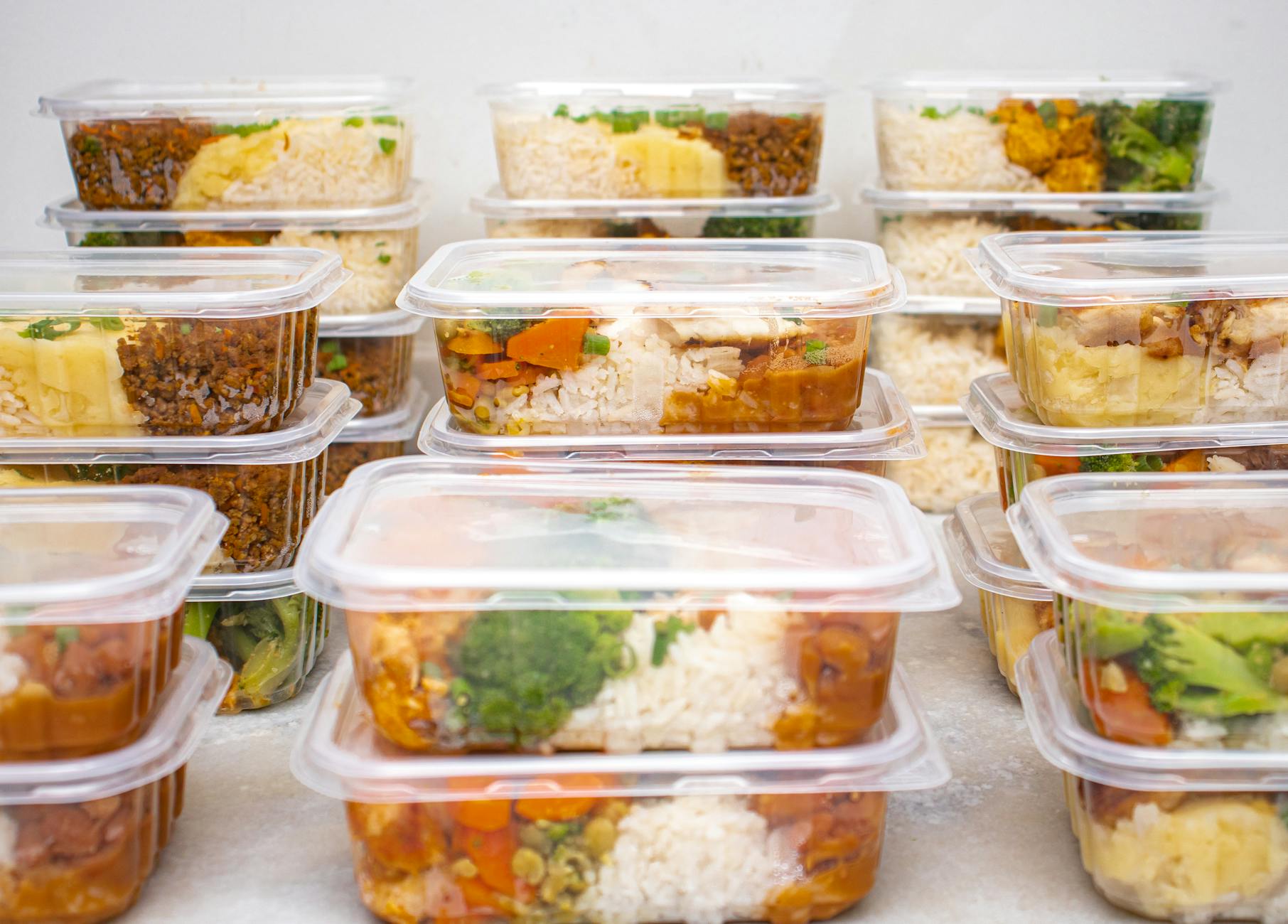
- Store meals and ingredients in portioned containers so healthy options are ready when you are.
- Start with beginner-friendly, time-saving meal ideas that keep prep manageable and sustainable.
Understanding Meal Prep as a Wellness Practice
It helps to name what meal prepping really is. Meal prepping is a process of preparing meals in advance, based on your schedule and your body’s needs. Done well, it also means building balanced plates and choosing portions you can rely on.
This matters because steady nourishment supports steadier moods, energy, and focus. Predictable meals can keep you from feeling shaky or craving quick fixes. It also lowers daily decision stress, which helps your nervous system settle.
Think of it like setting up your home practice corner. You do a little work once, so you can show up all week. When you know a portion is the amount you put on your plate, you can prep containers that match your goals.
Build a Simple Meal Prep System That Sticks
This simple system helps you turn one calm prep window into a week of steady, balanced meals. For adults doing yoga, breathwork, or other wellness classes, having nourishing food ready supports energy and keeps your stress load lighter when life gets busy.
- Map your week, then choose your meals
Start with your real schedule: class nights, late workdays, and the times you tend to feel drained or snacky. Build a short list of breakfasts, lunches, dinners, and two easy snacks, then commit by writing a meal plan you can actually follow. Keep it simple: repeat two dinners or use the same protein in multiple meals. - Shop smart with one focused grocery list
Write your list directly from your plan and group it by store sections (produce, protein, pantry, freezer) so you do not circle the aisles. Buy “mix-and-match” basics like greens, a grain, a protein, and two sauces so you can assemble different bowls without extra cooking. If you shop in bulk, aim for items you truly use every week since buying ingredients in bulk can lower the per-unit cost and reduce how often you restock. - Batch cook in one or two waves
Cook the building blocks first, then combine them: roast a sheet pan of vegetables, cook a pot of grains, and prepare one protein. Treat it like a mini retreat in the kitchen: put on calming music, set a timer, and work in a steady order. Save a few portions plain so different spices or sauces can change the flavor later. - Use a small set of tools to speed everything up
Choose tools that remove friction: a sharp knife, cutting board, sheet pan, medium pot, and a simple set of measuring cups or a kitchen scale if portions matter to you. Set up an assembly line: containers open, labels ready, and foods cooling before you seal them. Fewer tools mean fewer decisions, which keeps the process relaxing instead of chaotic. - Store meals so weekdays feel automatic
Pick containers you trust: leak-resistant lids, a few single-serve sizes, and at least one larger container for “family-style” portions. Label with the meal and day, then place the next two days in front and freeze the rest so you are not racing the clock midweek. Keep one “grab-and-go” shelf in the fridge for post-class hunger.
Meal Prep Questions, Calm Answers
Q: What are the best strategies to meal prep efficiently for a busy week without feeling overwhelmed?
A: Pick a single prep block and limit yourself to 2 proteins, 2 vegetables, and 1 grain you can remix. I keep a simple list in a monthly calendar or spreadsheet so I am not reinventing the wheel every Sunday. If time is tight, prep only lunches and snacks first.
Q: How can I balance nutrition and taste when prepping meals in advance?
A: Build each meal around protein, fiber, and fat, then change the flavor with sauces, herbs, citrus, or crunchy toppings added at serving. Keep one “fresh” element separate, like greens or chopped cucumber, so meals still feel alive.
Q: What are some simple meal prep ideas that reduce stress and save time?
A: Try sheet-pan roasted vegetables plus a protein, a big pot of soup, or mix-and-match bowls with grains and greens. Registered dietitian Elyse Homan notes meal prepping can reduce the stress of not knowing what to eat.
Q: How do I overcome the challenge of sticking to my meal prep plan throughout a hectic schedule?
A: Make your plan flexible: schedule two “free choice” dinners and keep one backup freezer meal. If boredom is the snag, rotate one new sauce or spice blend each week. For budget clarity, convert PDF grocery receipts into an editable spreadsheet so you can spot expensive habits fast, using a free option to turn PDFs into spreadsheets.
Q: How can wellness classes or alternative healing methods support me in maintaining a balanced lifestyle alongside meal prepping?
A: Use classes like yoga, tai chi, or breathwork as your reset button, then pair that calm with a simple food routine. Set an intention before you cook, and treat chopping and stirring as mindful repetition. When your nervous system feels steadier, it is easier to follow through on nourishing choices.
Build a Calm Routine with Balanced, Repeatable Meal Prep
When the week is already full, feeding yourself well can feel like one more decision you don’t have time to make. A gentle meal-prep mindset, simple routines, flexible plans, and quick course-corrections when life shifts, turns that pressure into something steady. Over time, long-term meal prep success looks less like willpower and more like stress relief through routine, with real health benefits of meal prepping that support energy, digestion, and mood. Meal prep works when it becomes a small, repeatable habit–not a perfect plan.
Choose one action for next week: prep one breakfast, wash and chop one veggie, or portion one go-to lunch. That’s how sustainable wellness habits build resilience, keep meal prep motivation alive, and make healthy weeks feel more possible.
Bella Reilly knows the wellness struggle. For years she bounced from fad diet to trendy wellness treatment, back and forth and back and forth, leaving both her and her bank account feeling depleted. Eventually, she had to say, enough is enough. She began carefully researching wellness trends to find the best, most affordable options for her. At Well Now Shop, she shares some of the tips and advice she has gathered from her ongoing wellness research
No A.I. was used in crafting this article.

