The Science of WooWoo: The Telepathy Tapes, Part III

This post has started, stopped, started, stopped. The Telepathy Tapes podcast, which I’ve already written about here and here, has gotten so full, that after its official second season began, I decided I wasn’t able to actually articulate anything about it. I figured the next best thing would be to share its social media posts across my social media.

And so I shared about it across the inter webs, time and time again.

However, Episode 50 of Season 2 Talk Tracks got me wanting to try and write about the whole shebang again. What are The Talk Tracks? They are extension episodes from each season of The Telepathy Tapes. These releases further explore the topics that come up during the original podcast.

In Episode 50, energy healing was mentioned again.

Let me preface this with a quick run-down of my own experience with Reiki, an energy healing technique from Japan. I got my first session around 2008/2009, and by 2012, I had received enough training to teach it to others (which I still do). I offered a free clinic, took clients, and offered it (along with foot reflexology) at the Piedmont Fayette Cancer Wellness Center south of Atlanta in 2011 and 2012.

This was FIFTEEN YEARS AGO! Egads!

In summary, the episode is about research that was done with MD Anderson Cancer Center about energy healing and the difficult process with being published in the scientific community when it comes to things like this. This episode combining with my recent deep dive into open science via NASA, and my son’s science class learning about mitochondria, well, the world makes sense again.

(Name that movie and you win brownie points with me! Another aside: does anyone remember A Wind in the Door? I am desperately trying to get my son to understand the universe as I do by reading A Wrinkle in Time Quintet.)

Anyway, Episode 50 immediately starts off telling the listener to go back to episodes 8 and 9 of the second season of The Telepathy Tapes.

And so I did.

A thing I found interesting about Episode 8 was the fact that a science-loving massage therapist was interviewed. She shared her story about being a nonbeliever to becoming a Reiki Master. This in particular was of interest to me, as I was a Reiki practitioner first before becoming a licensed massage therapist. I traveled in reverse, looking for a more tangible, recognized practice to support the Reiki I already did, allowing me to live anywhere as a LMT who practiced energy work–even as I considered myself the opposite.

The episode then moved into discussion about sending distance Reiki. The practitioner says how she believes her distance Reiki is almost more potent than in-person Reiki. I must say, this echoes things my fellow practitioners and I have spoken about. Maybe not so much that it is necessarily more potent, but more so that it’s almost easier to come by, easier to “feel” and “process” the Reiki if you aren’t in the same room with the client.

It’s not such a crazy leap to understand. Think about it–if you remove the distraction of actual tangible human bodies, you would then have to resort to other senses.

Episode 9 contemplates how distance healing works. If we consider energy healing as a type of electromagnetic wave, then theories suggest over time and space the waves should become weaker thereby energy healing shouldn’t work from afar. Yet, it does, meaning it does not appear that this wave lessens over time and space. This brings us into the suggestion of a yet-to-be-discovered shared consciousness, or a shared information field.

FASCINATING, but I’m not going to go down that rabbit hole here. Episode 8 also talks about the scientific definition/discovery of the interstitial system of the human body (something older systems of healing have been talking about for eons), but rather than trying to dissect that, either, I’ll quickly leave my own personal analogy on the topic: the interstitial system is perhaps like dark matter.

What came first? The chicken or the egg?

Episode 9 also shares a study about Reiki by the University of Utah and Harvard in regard to pain relief. There was fake Reiki, actual Reiki, mindfulness, and a randomized wait list. Whereas every procedure had an effect on the patient, Reiki was much more nuanced in the recorded brain scans as well as the self-reporting of the patients. Remember, they didn’t know what they had received when they were self-reporting. Read about it here.

Which leads us to the dreaded placebo.

I hand out an energy healing flier to new clients describing my feelings about placebo vs energy work. To wit, I suggest I don’t care, because if placebo is scientifically known to work anyway, who am I to judge? I may not know exactly how energy work works, but it works.

But this is why the MD Anderson study is sooooo important.

If a placebo is something that works–without any known reason why–then why call it a sham? So what if it’s working because the subject is creating this self-fulfilling prophecy, therefore creating the change the placebo was faking to make?

Which means, if you remove the thinking human, this thinking human who is self-prophesying this placebo….

The MD Anderson study takes out ego-consciousness altogether by directing energy healing to CANCER CELLS and MICE. Both respond. But if you can’t describe the mechanism of the healing is taking place, how do you get our materialistic scientific method to support it?

Well, that’s part of the problem, and if you listen to Episode 50, you’ll understand the conundrum even more. BUT! None of these issues with any of these studies negate the measurable changes that occur–either in a science lab, or directly from a human’s experience.

It’s a shame that spooky action at a distance is still so darn woo-woo, but alas, perhaps we will soon collectively start asking the right questions about how energy healing works so we can figure out what it is to better measure why it works and what it can actually do!

From listening to Episode 50 and the first episode of the Phenomena podcast (which is where all this data is coming from in The Telepathy Tapes), I can now better understand how things like acupuncture, chiropractic, etc, are more mainstream now, even as they have yet to rid themselves of the “yet-to-be-explained”. Maybe one day Reiki can become that, too.

Rather than continuing this deep-dive into uncertainty, discovery and excitement, I’m going to go ahead and close. With a quote. From the recently released Practical Magic 2. Sandra Bullock’s love interest says, “I like this… your molecules next to my molecules. It’s chemistry… and magic.”

See, this is what I keep saying! Science IS Magic!

If you’ve never listened to The Telepathy Tapes, by all means, go back and listen to ALL of it. It is so captivating. But if it’s too daunting of a task because there’re so many episodes out now, I encourage you to simply tackle Episode 8, 9 and then 50. You will not be disappointed.


This WooWootastic post is brought to you by Allison of Nani Lotus Bodywork & powered by Meditating Squirrel. AI was not used in crafting this article, thus, all errors belong to Allison. Also–she is in no way affiliated with The Telepathy Tapes. She just can’t stop talking about it or listening to it.

Thank you for reading! Please support this blog by sharing it with others, or even a one-time donation!
Small Moves, Better Days: Practical Ways to Support Daily Health

Image: Pexels

By Guest Blogger Bella Reilly

Everyday well-being isn’t built on grand overhauls; it grows from steady, repeatable choices that fit naturally into real life. When routines feel manageable, they’re more likely to stick—and that’s where meaningful change begins. The ideas below focus on simple strategies that quietly improve how you feel, think, and function day to day.

Quick Takeaways 

  • Small habits compound faster than occasional big efforts.
  • Movement, rest, and mental engagement work best when they’re consistent.
  • Organization reduces stress just as much as nutrition or exercise.
  • Learning and self-care can be practical, not indulgent.
  • Support systems and tools make healthy choices easier to maintain.

Gentle Habits That Anchor the Day

Daily well-being often hinges on rhythm. Waking up at roughly the same time, getting a few minutes of natural light, and eating regular meals help stabilize energy and mood. Hydration is another quiet lever; keeping a water bottle nearby tends to improve focus and reduce afternoon fatigue. These habits aren’t flashy, but they form the baseline that allows everything else to work better.

Keeping Health Information Organized and Accessible

Managing your health is easier when important documents aren’t scattered or forgotten. Digitizing records like lab results, prescriptions, and visit summaries allows quick reference during appointments or unexpected situations. Having a single, tidy digital folder often reduces anxiety because you know exactly where to look. Saving these files as PDFs helps preserve formatting and makes them easy to share across devices. Using tools for adding, reordering, deleting, or rotating pages keeps everything current without starting over. Learn more about guidelines for inserting pages into a PDF.

Moving the Body Without Making It a Chore

Movement doesn’t require a gym membership or a perfect plan. Walking during phone calls, stretching while waiting for coffee, or doing a brief mobility routine before bed all count. The goal is circulation and joint health, not exhaustion. Over time, these low-effort choices reduce stiffness, support cardiovascular health, and make more demanding activities feel less intimidating.

Learning as a Form of Mental Self-Care

Mental well-being thrives on curiosity and growth. Lifelong learning keeps the mind engaged, builds confidence, and creates a sense of forward motion that counters stagnation. Choosing a program aligned with your goals matters; for instance, someone focused on leadership or operations might explore bachelor in business administration programs to strengthen skills across accounting, communication, and management. Online degree options make this accessible, allowing learning to fit around work, family, and existing routines. 

Making Healthy Choices Stick

Consistency improves when decisions are made ahead of time and kept simple.

  • Choose one habit to focus on for two weeks.
  • Attach it to an existing routine, like mornings or evenings.
  • Keep the effort level intentionally low.
  • Track completion with a quick note or calendar check.
  • Adjust only after the habit feels automatic.

Comparing Everyday Wellness Supports

Different strategies serve different needs, and variety keeps routines flexible.

Focus AreaSimple ApproachEveryday Benefit
Physical energyShort walks or light stretchingBetter circulation and mood
Mental clarityLearning something new weeklyImproved confidence and focus
Stress reductionOrganized health informationLess anxiety during appointments
RecoveryBody-based relaxation practicesImproved sleep and calm

Integrating Bodywork Into Everyday Wellness

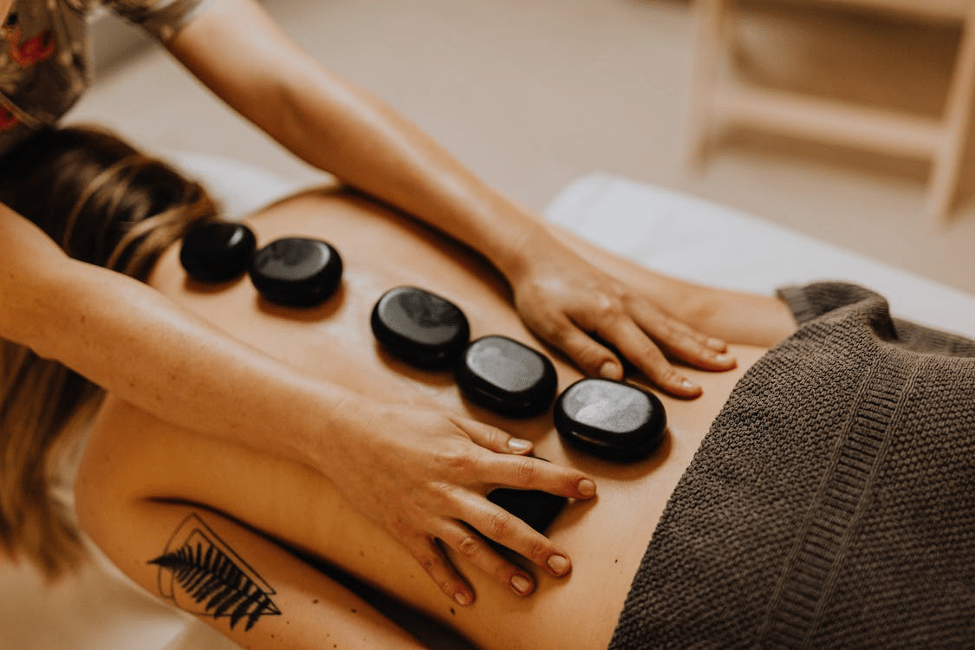
Stress often settles in the body before the mind notices it. Holistic services from Nani Lotus Bodywork, including therapeutic massage, reflexology, and Reiki, offer accessible ways to release tension and restore balance. These approaches support relaxation, circulation, and a sense of groundedness that complements everyday habits like movement and sleep. Exploring offerings from Nani Lotus Bodywork can help create a routine that nurtures both physical comfort and mental ease.

Practical Questions About Everyday Wellness Choices

If you’re weighing which steps to prioritize, these questions often come up when people move from interest to action.

How quickly can small health changes make a difference?
Some effects, like improved mood or energy, appear within days of consistent habits. Physical changes usually take longer, but momentum builds early. The key is noticing subtle improvements and letting them reinforce the routine.

Is it better to change multiple habits at once or one at a time?
Focusing on one habit at a time tends to work better for long-term consistency. Once it feels automatic, adding another becomes easier. This approach reduces overwhelm and decision fatigue.

Do digital tools really help with stress and health management?
Yes, especially when they reduce uncertainty. Having records and plans organized lowers cognitive load during already stressful moments. That mental relief often translates into better overall well-being.

How does learning impact mental health beyond career benefits?
Learning stimulates curiosity and provides a sense of progress. It can improve self-efficacy and reduce feelings of stagnation. These psychological benefits extend well beyond professional outcomes.

Are body-based therapies useful if I already exercise and eat well?
They complement those habits by supporting recovery and relaxation. Exercise builds strength, while bodywork helps release accumulated tension. Together, they create a more balanced approach to wellness.

Closing Thoughts

Everyday health is less about perfection and more about alignment. When habits fit your life, they become sustainable rather than stressful. By combining simple routines, organized information, ongoing learning, and intentional self-care, well-being becomes something you live—not something you chase. Small moves, repeated daily, quietly shape better days.

Bella Reilly knows the wellness struggle. For years she bounced from fad diet to trendy wellness treatment, back and forth and back and forth, leaving both her and her bank account feeling depleted. Eventually, she had to say, enough is enough. She began carefully researching wellness trends to find the best, most affordable options for her. At Well Now Shop, she shares some of the tips and advice she has gathered from her ongoing wellness research

No A.I. was used in crafting this article.

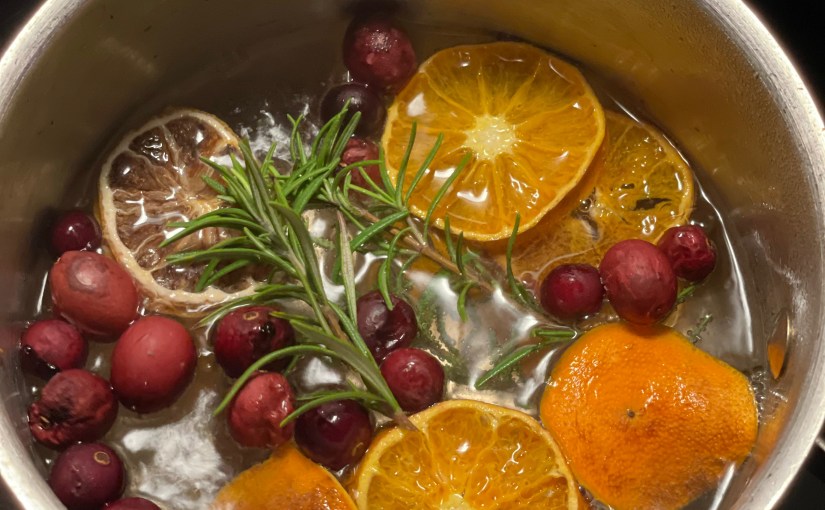
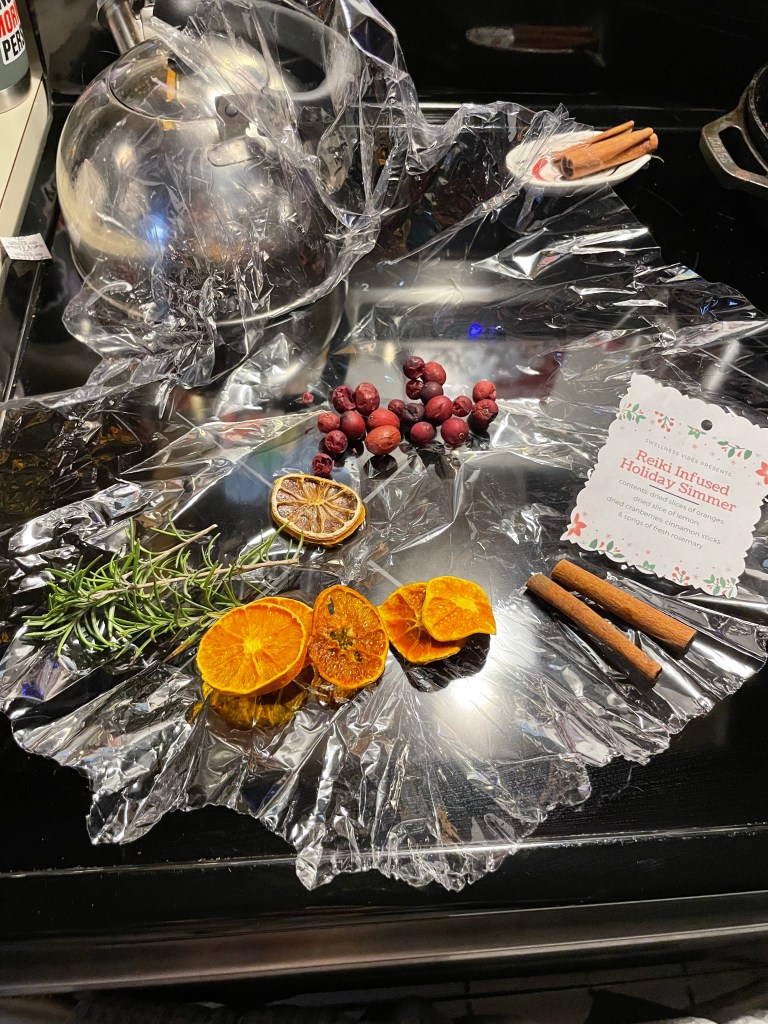
Reiki Infused Holiday Simmer

It’s recipe time!

I will be selling these at my bodywork location over the holidays, but you can also make or tweak your own. Now, I have an old dehydrator that was created with dried fruit in mind, but you could also try to dry out your pieces via a stove, at about 200 degrees, for 3+ hours.

My recipe includes:

fresh rosemary sprigs; dried cranberries; dried lemons; dried oranges (like mandarins or halos); cinnamon sticks.

Things you can add in: cloves, cardamom, other fruits and spices you find pleasing.

Spices & Everything Nices

To use:

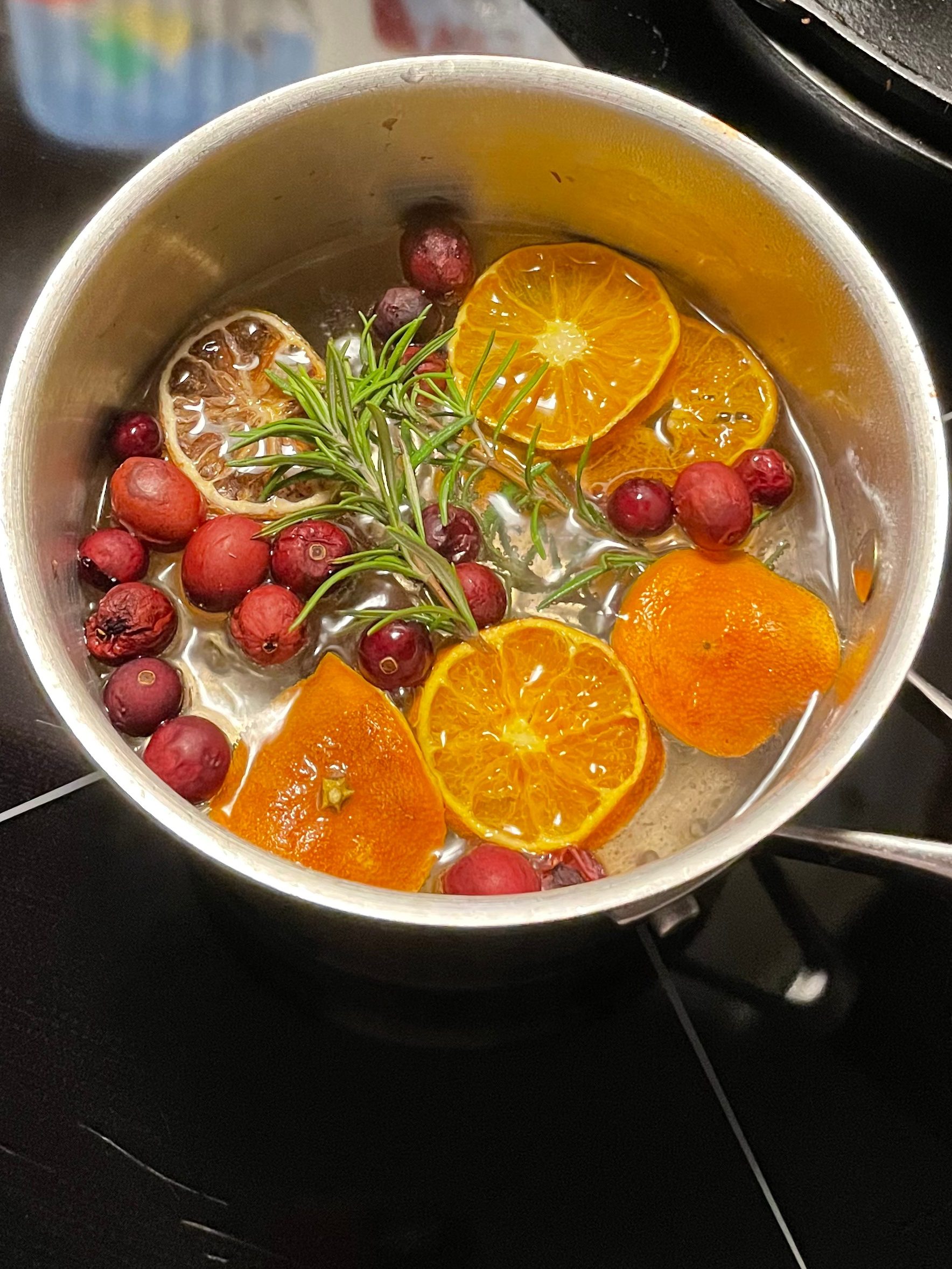
Put ingredients into a pot of water on your stove. Boil to start, then set to simmer. Add water when it gets low. Don’t burn your house down!!! Don’t leave it unattended, and don’t leave it on overnight.

Enjoy. Find immense happiness with the way your house smells.

Created with lots of love, and Reiki infused throughout the entire process!

Ready to Rumble!

The Telepathy Tapes/Talk Tracks – The Energy Healing Episode

Over two weeks ago, I finally wrote and published my post about The Telepathy Tapes, a podcast which ultimately is about non-speaking autistic people and how they fit into this world. However, as the documentarist and podcaster, Ky Dickens, reveals during the episodes of the first season, things are not as they seem.

Dickens’ companion podcast, Talk Tracks, is meant to further explore ideas expressed in The Telepathy Tapes. Coming from various viewpoints, Talk Tracks tries to connect ideas of science, reality, spirituality and psi-abilities into a better understanding of our conscious existence.

Two episodes have dropped since I shared my post, and the one that came out this past weekend is the one I’ve been waiting for. Dr. Shamini Jain and Madhu Anziani speak about their personal experiences in reference to energy healing, energy work, and in particular, Reiki. Deepak Chopra is even brought in to talk about consciousness as a whole.

From miraculous healing to the dissection of energy work through the lens of science, the biofield of life is explored. This field of consciousness is unmasked. Double blind and placebo controlled studies are mentioned; a paraplegic walks again.

If you’ve ever been intrigued by energy work, energy healing, energy medicine, energy therapy, energy psychology, whatever you want to call it, you need to listen to this episode. The Telepathy Tapes itself was hard for me to listen to without getting excited about the broader context of what was being described. But having Talk Tracks finally deep dive into Reiki itself, has given me an added bounce to my step.

The studies Dr. Jain mentions in the podcast seem to come back to the same premise—> there’s just something about that energy healing! Placebo can heal; physical touch is great. But if intention is involved, intention to connect to a healing energy, well…

In one study, cortisol levels were remarkably regulated during energy healing sessions in comparison to the sham energy work sessions. I’m not a fan of testing animals, but another study of mice showed the slowdown of cancer cells with energy work.

I’m not here to convince you that energy healing is real. I’m here to convince you to listen to this episode of Talk Tracks, and what the hell, check out The Telepathy Tapes website, or just listen to all of the dang episodes while you’re at it.

The episode ends with Chopra asking us to have reverence. He thinks we should be in wonderment that we are here witnessing life, as life. He says we should be surprised that we even exist.

Are you shocked? Listen now!

Want to try energy work? Visit Nani Lotus for more information about the services I offer.

The Influence of Children’s Books on My Life, Reiki & Writing

One of my favorite classes in college was children’s literature. I really had no idea why this was the case, but upon starting to re-read The Time Quintet by Madeline L’engle, I can see how books I read as child not only shaped how I write as an adult, but also my process of thought, and thus, my life. (As an aside here–I’d also like to interject that Arthurian mystery was fairly intriguing to me as a child, too, and Susan Cooper’s The Dark is Rising series certainly shaped me as well.)

Why was I so open to even try Reiki, let alone practice it? For those who don’t know what Reiki is, firstly, it doesn’t have to be capitalized. I just always do it. Secondly, it’s either a) a part of the measurable energy force within and outside of ourselves or b) the practice of Reiki, a hands-on or distance modality often used by holistic health and alternative health providers. You can visit Reiki.org for more information, or here from Nani Lotus Bodywork.

There’s traditional training of Reiki, which is Usui Reiki, and considered the original means to train. But now there are so many other types of Reiki out there, from one I’ve always wanted to try, Lubeck’s Rainbow Reiki, to Rand’s Holy Fire Reiki, to ones I’ve never even heard of. Sekhem Reiki? Lightarian Reiki? What?! It gets confusing.

However, I’m assuming each of these different types all have a form of distance Reiki. Distance Reiki, from my own personal training and knowledge, can move beyond space and time. We may not understand it with our limited thinking, but I’ve seen and felt it work. It just is.

Logically, you can think back to the past while you are in the present. You can also assume things about the future while you are in the present. Thus, time is not linear, even to the human brain and body, because you can think about things and have a visceral reaction in the present.

Here’s where it gets fascinating in the context of my own life. I read these books as a child, and somewhere within me, I registered the notion that light, and dark, needed to strike a balance to both exist. Without one, there is not the other.

I registered that extrasensory perception (ESP), to some extent, must certainly be real. Not because it’s this magical concept and wishful thinking can conjure reality, but because there are so many inexplicable things in life. Déjà vu, for one; thinking about someone and them calling you on the phone, for another; gleaning messages from random things that you see at that perfect moment; or odd shared dreams, weird shared experiences.

I simply call it being in the flow.

Science strives to define these inexplicable experiences, and oftentimes it does. Science is magic; magic is science. Humanity has been thought provoked for only so long, right, so how could we possibly have scientifically proven all of the magic that exists?

L’engle describes kything, this process of “going within” others and their experiences, connecting even more than regular ol’ ESP. The way she writes about it made me realize, oh my God, this is Distance Reiki. (Another aside: this reminded me of when I was personally learning about Reiki–during the last season of the TV show LOST. And guess what? We chalked up the light at the center of the island as Reiki as well!)

All of these pop culture references, all of these hidden books, or even books in plain sight. Beyond our wildest dreams is the true reality; our limitations taking us only so far. I understand why reading is considered dangerous and wilding. It truly can open your mind like a parachute.

I have no idea what drew me to these books as a child, but I can clearly see how the magic of them shaped my reality, and even my own writing! I imagine that when The Light Thrower series is said and done, my own themes will continue to explore good, and bad, light, and dark, and the delicate balance of the music of existence. And I imagine, as I continue to practice and teach Reiki, that more and more experiences from my childhood will continue to support the expanding reality of my today.